Cisco has made native Zoom Rooms integration generally available across its collaboration device portfolio, enabling enterprise organisations standardised on the Zoom platform to run the interface directly on Cisco meeting room hardware.
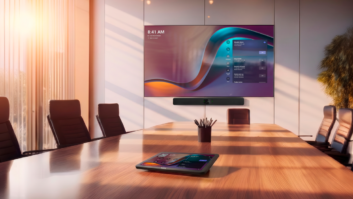
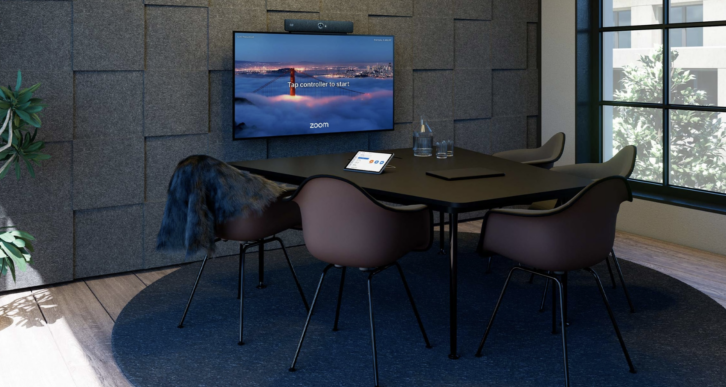 Available starting with the October 2026 RoomOS software release, the deployment brings the native Zoom Rooms home screen, UI navigation and in-meeting feature set to supported Cisco video bars, modular room kits and touch controllers. The integration combines native platform operation with Cisco’s on-device camera framing, speech enhancement algorithms and hardware-level acoustic processing.
For pro AV systems integrators and corporate technology teams, the release offers hardware flexibility when specifying enterprise meeting spaces. The dual architecture allows organisations to deploy Zoom Rooms as their unified communications client while retaining Cisco video codecs and peripherals, enabling facilities to undergo software transitions without requiring the replacement of existing room hardware.
System administration is coordinated across both environments by linking the Zoom Admin Portal with Cisco Collaboration Control Hub. From the unified console, administrators can oversee automated device onboarding, firmware configuration, telemetry alerts and remote diagnostics across primary video endpoints alongside connected third-party accessories and Cisco AVoIP distribution hardware.
Network health and call quality tracking are supported by Cisco ThousandEyes agents running directly on the room endpoints. Accessible through Control Hub, the telemetry agents provide hop-by-hop visibility across the complete enterprise network path, allowing technical teams to isolate local Wi-Fi drops, switch port congestion or wider WAN anomalies affecting active conference sessions.
Room maintenance capabilities also incorporate Cisco Workspace Advisor, which generates functional digital twins of physical meeting spaces within Control Hub. By evaluating acoustic profiles, physical layout data and connected peripheral status, support teams can diagnose hardware faults and adjust operational room parameters without dispatching field engineers on site.
The platform further introduces Cisco Workspaces Model Context Protocol (MCP) support, routing device health metrics, configuration records and room utilisation telemetry into compatible enterprise AI workflows. The framework allows operations staff to execute automated diagnostics, query room status across multi-building estates and generate automated morning readiness briefings before scheduled meetings begin.
You can subscribe to Installation magazine for free here and the daily newsletter here.